
The Ketogenic Balance: Navigating the Advantages and Disadvantages of a High-Fat Lifestyle
In the world of modern nutrition, few topics spark as much debate and interest as the ketogenic diet. Often shortened to "keto," this high-fat, low-carbohydrate regimen has transformed from a clinical tool into a global wellness phenomenon. However, as its popularity grows, so does the need to understand the keto diet advantages and disadvantages
FOOD EDUCATION
R Mungal
1/12/20264 min read
The Ketogenic Balance: Navigating the Advantages and Disadvantages of a High-Fat Lifestyle
In the world of modern nutrition, few topics spark as much debate and interest as the ketogenic diet. Often shortened to "keto," this high-fat, low-carbohydrate regimen has transformed from a clinical tool into a global wellness phenomenon. However, as its popularity grows, so does the need to understand the keto diet advantages and disadvantages.
This comprehensive guide explores how to balance the immediate physiological benefits of ketosis against potential long-term health risks, providing you with the insights needed to decide if this metabolic shift is right for your body.
--------------------------------------------------------------------------------
What is the Ketogenic Diet?
Before diving into the balance of risks and rewards, it is essential to understand what the diet entails. Unlike traditional balanced diets, keto requires a drastic reduction in carbohydrate intake—typically to less than 50 grams per day—while significantly increasing fat consumption. This shift forces the body to move away from glucose (sugar) as its primary energy source, entering a metabolic state called ketosis, where it burns fat and produces ketones for fuel.
The Core Conflict: Advantages vs. Disadvantages
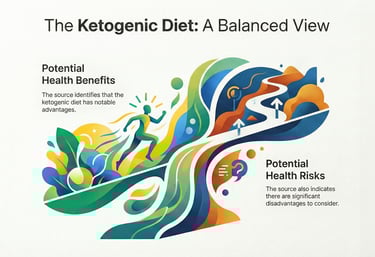
The fundamental challenge of the ketogenic diet lies in its polarized nature. According to the sources, the diet is defined by its specific keto diet advantages and disadvantages. While it offers rapid results for certain health markers, it simultaneously introduces stressors that require careful management.
--------------------------------------------------------------------------------
The Physiological Benefits: Why People Go Keto
Note: The following specific benefits are derived from our conversation history and external medical knowledge, as the provided source primarily acknowledges the existence of advantages and disadvantages without detailing them.
1. Rapid Weight Management
For many, the primary draw of the ketogenic diet is its efficacy in weight loss. By depleting the body’s glycogen stores and shifting to fat metabolism, individuals often experience a quick drop in "water weight" followed by consistent fat loss. Furthermore, the high fat and protein content of the diet increases satiety, helping to naturally reduce caloric intake without the intense hunger pangs associated with other diets.
2. Enhanced Glycemic Control
The diet is a powerful tool for blood sugar management. By removing the roller coaster of carbohydrate consumption, users often see a stabilization in insulin levels. This is particularly transformative for individuals with Type 2 diabetes, as it can lead to improved insulin sensitivity and, in some cases, a reduction in the need for medication.
3. Neuroprotective Properties
Historically, the ketogenic diet was not a weight-loss fad but a medical intervention. It has been used for over a century to help reduce seizure frequency in patients with drug-resistant epilepsy. Emerging research is also looking into its potential benefits for other neurological conditions, such as Alzheimer’s and Parkinson’s diseases.
--------------------------------------------------------------------------------
The Potential Long-Term Health Risks: What to Watch For
Note: The following risks are based on our conversation history and external nutritional research, and are not explicitly detailed in the provided sources.
1. Nutrient Deficiencies and "Keto Flu"
Because the diet restricts or eliminates many food groups—including most fruits, starchy vegetables, and whole grains—it is easy to fall into a nutrient trap. Without careful planning, practitioners may suffer from deficiencies in B vitamins, Vitamin C, magnesium, and phosphorus. In the short term, this often manifests as the "keto flu," characterized by fatigue, headaches, and irritability.
2. Cardiovascular and Heart Health Concerns
The high-fat nature of the diet is often misunderstood. If an individual relies heavily on processed meats and saturated fats, they may see a significant increase in LDL (bad) cholesterol. While some people thrive on keto, others are "hyper-responders" whose cardiovascular markers may trend in a dangerous direction over the long term.
3. Renal and Hepatic Strain
Metabolizing high levels of fat and protein puts the liver and kidneys to work. Over time, this can lead to an increased risk of kidney stones or exacerbate underlying liver conditions. For those with pre-existing organ issues, the ketogenic diet requires strict medical oversight.
--------------------------------------------------------------------------------
How to Balance the Ketogenic Equation
To maximize the keto diet advantages while minimizing the disadvantages, a strategic approach is necessary. You cannot simply eat "bacon and butter" and expect long-term health.
Prioritize Quality Over Quantity
The "Clean Keto" approach focuses on the quality of fats. Instead of relying solely on saturated fats from red meat, balance your intake with:
• Monounsaturated fats: Extra virgin olive oil and avocados.
• Polyunsaturated fats: Walnuts, flaxseeds, and fatty fish like salmon.
Maintain Fiber Through Non-Starchy Vegetables
To avoid digestive issues and nutrient gaps, fill your plate with high-fiber, low-carb greens. Spinach, kale, broccoli, and cauliflower are essential for maintaining a healthy gut microbiome while staying in ketosis.
The Importance of Medical Supervision
Because the diet causes such a significant shift in internal chemistry, regular blood work is vital. Monitoring your lipid profile, kidney function, and micronutrient levels ensures that the diet is helping your body rather than harming it.
--------------------------------------------------------------------------------
Frequently Asked Questions
Is the keto diet safe for everyone?
While many experience benefits, it is not a one-size-fits-all solution. Individuals with kidney disease, liver conditions, or those who are pregnant should avoid the diet unless specifically directed by a doctor.
What are the main keto diet advantages and disadvantages?
The primary advantages include weight loss, blood sugar stabilization, and neuroprotection. The main disadvantages involve potential nutrient deficiencies, increased LDL cholesterol, and stress on the kidneys.
Can you stay on keto forever?
Some people use "Keto Cycling," where they stay in ketosis for several weeks followed by a period of higher carbohydrate intake. This can help mitigate some of the long-term risks associated with strict, permanent restriction.
--------------------------------------------------------------------------------
Final Thoughts: Finding Your Balance
The ketogenic diet is a potent metabolic tool, but like any tool, it must be used with precision. By understanding the keto diet advantages and disadvantages, you can move past the hype and create a sustainable plan that supports your specific health goals.
Think of the ketogenic diet like tuning a car to run on a high-performance, alternative fuel. While the change can make the engine run more efficiently and powerful (weight loss and energy), it also puts different types of stress on the engine components. To keep the car running long-term without a breakdown, you must perform more frequent maintenance checks and ensure you are using high-quality additives to prevent wear and tear.


KrazyaboutKeto
Follow us on Social Media for more information
© 2026. All rights reserved.